

Moving is one of those things everyone assumes they can wing, until they’re standing in an empty apartment at 9 PM with a phone charger, three mismatched socks, and no idea which box has the coffee maker. This is the Indianapolis moving checklist we actually give our own customers, built around what happens differently in Indianapolis specifically: which utility company to call, how Center Township trash pickup works, and what tends to catch people off guard about moving here versus a generic national move. Use it as a running list, or skip straight to the week you’re in.
8 Weeks Before You Move
This is the planning phase, the further out you start, the less anything feels rushed later.
- Set a moving budget and rough timeline for your move.
- Research and book your moving company. Good local crews get booked up fast, especially May through September, which is Indianapolis’s busiest moving season.
- Start a decluttering pass — go room by room and pull out anything you don’t want to bring. Donate, sell, or set aside for a junk haul-away.
- Request time off work for moving day and the day after, if you can, you’ll want the buffer.
- If you have kids, start researching schools in your new area (see the Indianapolis-specific section below).
6 Weeks Before You Move
- Order any specialty packing supplies you’ll need — wardrobe boxes, dish barrels, bubble wrap for art or mirrors.
- Use up what you can — perishable food, half-used cleaning supplies, propane tanks, since movers can’t transport these.
- Start collecting moving boxes from friends, local stores, or your moving company.
- Measure large furniture against your new home’s doorways, stairwells, and elevators if applicable, so you know ahead of time if anything won’t fit.
4 Weeks Before You Move
- Confirm your moving date and details with your moving company in writing.
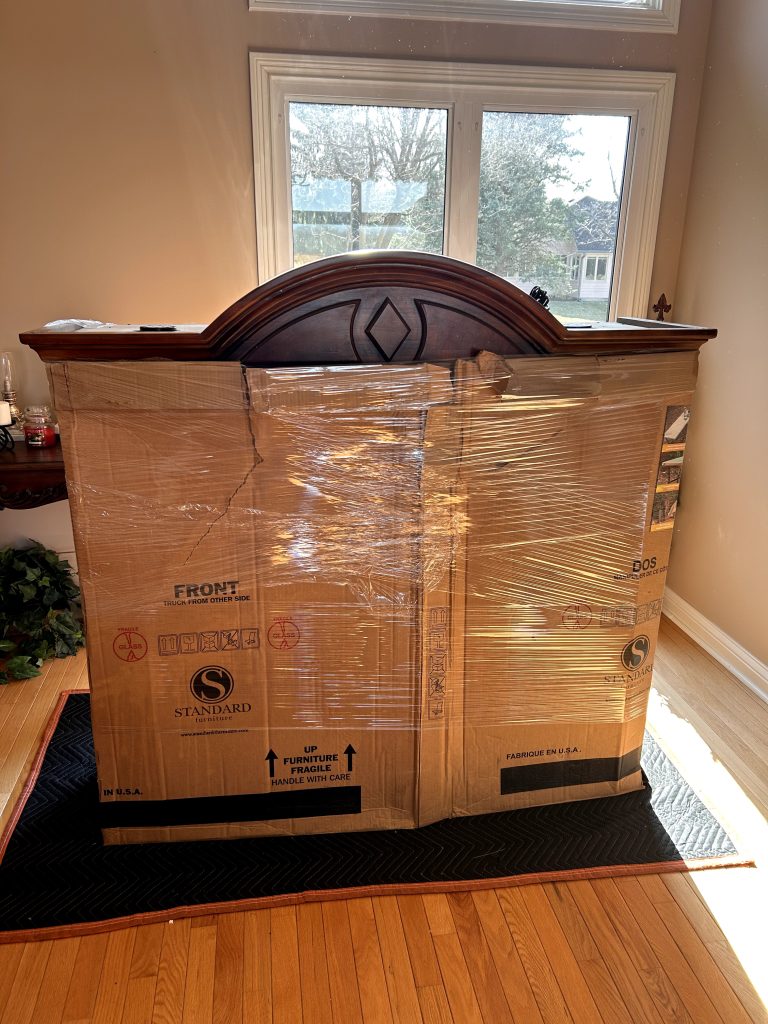
- Begin packing non-essentials — out-of-season clothes, books, decor, anything you won’t touch in the next month.
- Label boxes by room, not just contents, it saves enormous time on the other end.
- Start your utility transfer list (see below) so you’re not scrambling in the final week.
- Notify your landlord if renting, per your lease’s notice requirement.
- Research your new neighborhood — trash pickup day, nearest grocery store, parking rules if you’re moving downtown.
2 Weeks Before You Move
- Submit your official change of address with USPS (usps.com/).
- Schedule utility disconnect/connect dates — aim to have new-home utilities turned on a day or two before move-in.
- Notify banks, subscriptions, insurance, and your employer of your new address.
- Arrange childcare or pet care for moving day itself — a moving truck and open front door is not the place for toddlers or dogs.
- Confirm parking arrangements at both homes — reserve a loading zone or freight elevator if you’re in a downtown high-rise.
- Finish most of your packing, leaving only daily essentials.
1 Week Before You Move
- Pack a “first night” bag — toiletries, a change of clothes, chargers, basic tools, medications, and anything you’ll need before boxes get unpacked.
- Defrost and clean your refrigerator and freezer at least 24 hours before moving day.
- Confirm final details with your moving company, arrival window, parking, any last-minute inventory changes (that extra dresser you forgot to mention).
- Set aside valuables — jewelry, documents, cash, to transport yourself rather than on the truck.
- Take photos of electronics setups before disconnecting cords, so reassembly is painless.
Moving Day
- Do a final walkthrough of every room, closet, cabinet, and the garage before the truck pulls away.
- Keep essential paperwork and your phone charger with you, not packed on the truck.
- Do a walkthrough of the new place with your mover so they know where everything goes, it saves a lot of “wait, where does this go?” later.
- Check utilities are on before the truck arrives at your new home.
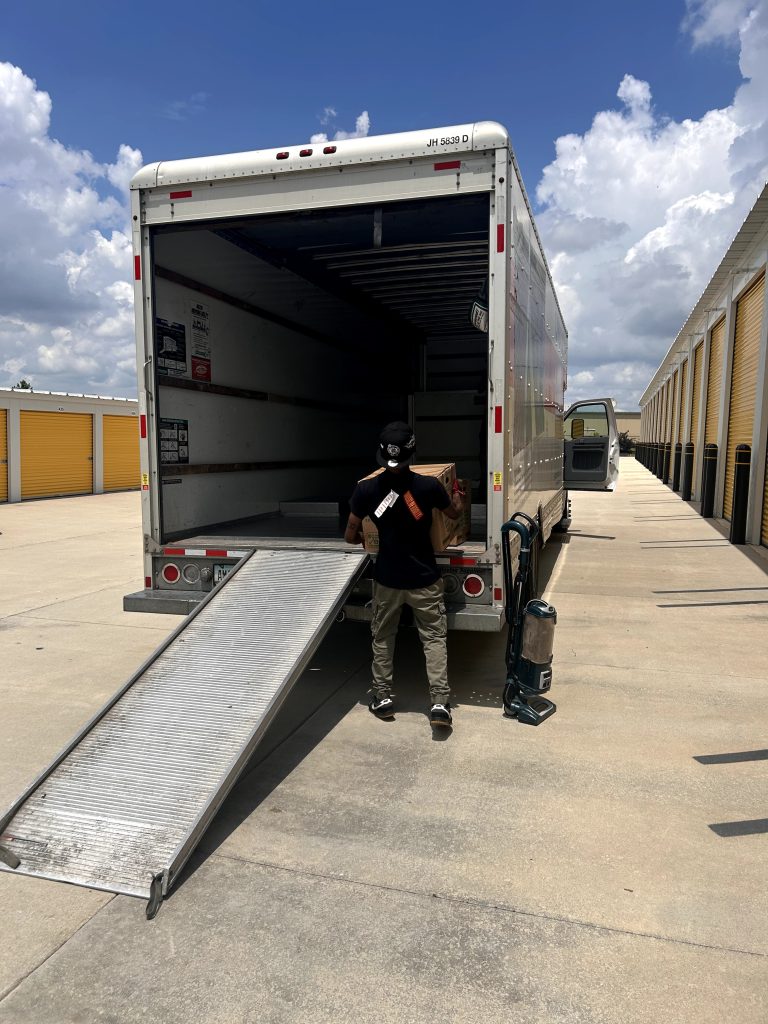
- Tip your crew if you’re happy with the work , a common local guideline is $20–$40 per mover for a half-day move, more for a full day or a tough job.
Your First Week in the New Place
- Unpack the kitchen and bathroom first — the rooms you’ll actually use every day.
- Locate your breaker box, water shutoff, and gas shutoff, just in case.
- Register your car and update your driver’s license with the Indiana BMV if you’ve moved from out of state, or update your address if you’ve moved within Indiana.
- Register to vote at your new address if it’s changed, at indianavoters.com.
- Introduce yourself to neighbors — genuinely one of the fastest ways to feel settled in a new part of the city.
- Break down moving boxes for recycling, or set them aside, we’re happy to haul away leftover boxes and packing debris if you’d rather not deal with it.
Indianapolis-Specific To-Dos
This is the part most generic checklists skip entirely.
Utilities:
- Electric — AES Indiana (formerly IPL) serves Indianapolis proper; Duke Energy and other providers serve many surrounding suburbs and townships, so check which applies to your specific new address.
- Water, sewer, and gas — Citizens Energy Group serves Indianapolis for water and gas service.
- Internet/cable — availability varies block by block in Indianapolis; it’s worth checking provider coverage for your exact new address rather than assuming your old provider serves the new one.
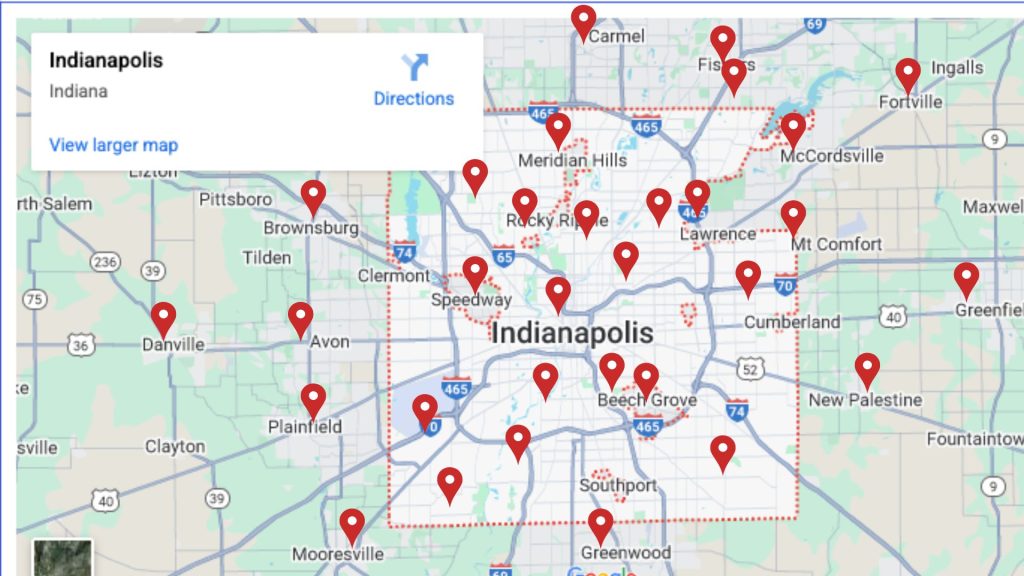
- Trash and recycling — the City of Indianapolis (Marion County) runs curbside collection on a zone schedule; several surrounding suburbs (Carmel, Fishers, Westfield, and others) contract with private haulers instead, so check your specific city or town’s website for your pickup day and rules.
Official paperwork:
- BMV (Bureau of Motor Vehicles) — update your driver’s license and vehicle registration address; check current requirements and deadlines at in.gov/bmv, since these can change.
- Voter registration — update at indianavoters.com if you’ve changed counties or precincts.
Schools:
- Indianapolis Public Schools (IPS) and the surrounding suburbs each run their own school corporations, Carmel Clay Schools, Hamilton Southeastern Schools (Fishers/Geist area), Washington Township Schools, Zionsville Community Schools, and others. with separate enrollment processes and boundaries. Confirm your new address’s school corporation and enrollment deadlines directly with that district, since boundaries don’t always follow neighborhood names.
A few local quirks worth knowing:
- Downtown high-rises often require a certificate of insurance and a scheduled freight elevator window, arrange this with building management at least a week ahead.
- Spring moving season in Indianapolis can bring sudden storms; keep an eye on the forecast the week of your move and have a plan for keeping boxes dry during loading.
- Older neighborhoods (Meridian-Kessler, Irvington, Old Northside) often have narrower original staircases, worth mentioning to your movers ahead of time so they bring the right crew size.
Printable Summary Checklist For Moving In Indianapolis
| Timeframe | Key Tasks |
|---|---|
| 8 weeks before | Book movers, declutter, request time off |
| 6 weeks before | Gather supplies, use up perishables, measure furniture |
| 4 weeks before | Confirm move date, start packing, notify landlord |
| 2 weeks before | USPS change of address, schedule utilities, confirm parking |
| 1 week before | Pack essentials bag, defrost fridge, confirm final details |
| Moving day | Final walkthrough, direct the crew, tip if satisfied |
| First week | Unpack kitchen/bath, update BMV, meet neighbors |
FAQ
When should I start planning my Indianapolis move?
Eight weeks out is a comfortable starting point for most local moves, earlier if you’re moving during peak season (May–September) or need to book a popular moving date like a weekend.
Which utility company do I call for my new Indianapolis address?
It depends on your exact location. AES Indiana covers electric for Indianapolis proper, while Duke Energy and other providers serve many surrounding suburbs. Citizens Energy Group handles water and gas within Indianapolis. Check your specific address, since coverage areas don’t always follow city or county lines cleanly.
Do I need to update my driver’s license if I move within Indiana?
Yes — update your address with the Indiana BMV after any move, even a local one. Check in.gov/bmv for current requirements, since these are subject to change.
What should I pack last?
Daily essentials, toiletries, medications, phone chargers, a change of clothes, and anything you’ll need the morning after your move, before boxes are unpacked.
Do movers help with packing too, or just the heavy lifting?
Most full-service movers, including us – Hermit’s Moving and Handyman Services, offer packing help as an add-on if you’d rather not tackle it all yourself, worth asking about when you book.
Ready to check “hire movers” off this list? Get a free estimate from Hermit’s Moving and Handyman Services — we also handle furniture assembly and junk hauling, so decluttering before your move and setting up after it can be one call instead of three.